The Science Behind Good Software
Emotional Design is not guesswork — it is grounded in psychology. Cognitive scientist Don Norman describes three levels of design in his book Emotional Design that shape how users perceive and use a product:
- Visceral (first impression): The immediate reaction. Does the interface feel trustworthy and well-crafted at a glance?
- Behavioral (interaction): The actual usage. Does the product behave predictably and help users complete tasks efficiently?
- Reflective (long-term perception): The lasting impression. Does the product build trust and reinforce confidence in your brand?
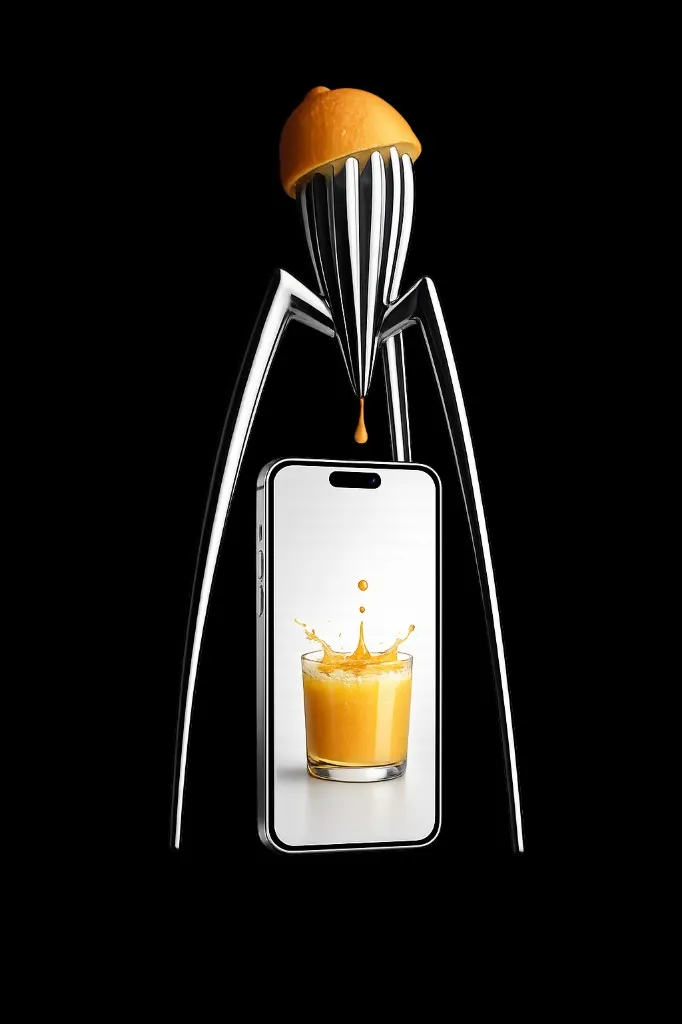
It is not enough that we build products that function, that are understandable and usable, we also need to build products that bring joy and excitement, pleasure and fun, and, yes, beauty to people's lives.— Don Norman
Why Good Design Pays Off
Emotional Design is not a visual extra — it directly affects how people use your software:
- Faster adoption: Clear and intuitive products require less explanation and are used more consistently from the start.
- Stronger perception: Well-designed software signals quality — to customers, partners, and employees.
- Higher retention: When a product feels good to use, people come back. And they keep using it.
What Successful Products Do Differently
Successful products use emotional design intentionally. Consider Duolingo: The app celebrates progress with confetti and reacts when you miss a streak. These small details shape habits and keep users engaged over time.
How We Design Products That Work
Good code makes a product functional. Thoughtful design determines whether people actually use it. This is how we approach it in practice:
WISAR B2B Shop – Building Trust
B2B decisions rely on trust. High-quality products need to be matched by a high-quality digital experience.
For WISAR, we built a mobile shop that makes this tangible. See the WISAR reference project.
- Clear confirmation: A strong success screen after checkout reassures users immediately that their order went through.
- Personal touch: A dynamic greeting creates orientation and a sense of partnership — even in a B2B context.
- Guiding interactions: Subtle animations and visual feedback make flows easier to understand and reduce uncertainty.
- Physical feedback: Fine-tuned haptics make interactions feel precise and responsive.
Phresh – Frictionless Everyday Tasks
- Contextual onboarding: Instead of listing features, onboarding shows immediate value — reducing drop-offs from the start.
- Reducing cognitive load: Smooth transitions and spatial cues help users navigate complex structures without effort.
- Immediate feedback: Subtle haptics confirm actions instantly, reducing uncertainty and duplicate inputs.
- Avoiding dead ends: Empty states are designed to keep users engaged, using subtle Lottie animations to maintain flow.
Turn Your Software into a Business Asset
Emotional Design connects solid engineering with real user adoption. It ensures that your software is not only built well, but actually used. We combine scalable architecture with a deep understanding of how people interact with digital products.